Rabbi Avrohom Sebrow
Boruch: Mazal tov, Shimon! I’m so thrilled that I was able share in your daughter’s wedding! The food, by the way, was fantastic. Shimon: Thank you so much for coming; it means a lot to me! Here is my portable credit card machine. That will be $250! Boruch: What?! Shimon: It’s my minhag that all the participants pay for their own food at the wedding. This way, weddings are much more affordable for the parents. Boruch: But you never told me that I was expected to pay. The standard custom in our circles is that the parents pay for the wedding, not the guests. Shimon: In truth, you are right. What really happened was that the caterer had a medical emergency. I spent the day transporting food from the commissary to the wedding hall. However, I accidentally took the wrong food. That food was not meant for my wedding. The caterer is now asking me to pay $250 per portion! I was expecting to pay only $70. So now, I am asking all the guests upon their departure to pay for the stolen food. Boruch: I’m sorry for your loss. However, the Mishna says in Bava Kama (101b) that if a father stole food and his kids ate it, only the father has to pay and not the kids. The person who stole the food must pay for it, not the person who ate it. You stole the food, and you can’t expect the guests to pay. Shimon: Good point! But Rav Chisda clearly rules in the Gemara that if someone stole food and someone else ate it, the victim of the theft can collect from either party. So the caterer can collect from either me or you. I don’t have the money to pay, so I am collecting on behalf of the caterer from you. Boruch: But that is against the Mishna! Shimon: The Mishna must be discussing a situation where the owner of the stolen food items despaired of ever getting them back. Subsequently, the food was eaten. Then, the owner may only collect from the thief. In our situation, the caterer didn’t find out that I had taken the wrong food until the wedding was over. He did not despair of getting his food back until after you ate it. Therefore, you must pay restitution for consuming stolen food.
Boruch: Not so fast. The Baal HaMaor says that feeding someone food is tantamount to consuming it. True, you didn’t actually eat the stolen food. But you had it served to all the guests at the wedding. Therefore, according to the eyes of halacha, you are the only one who is considered to have actually eaten the stolen food. Therefore, the caterer may only collect restitution from you and not from the guests. Shimon: Good point. But Tosfos does not subscribe to your theory that feeding someone stolen food is tantamount to consuming it. Therefore, according to Tosfos, the owner may collect from either me who stole it or you who ate it. Boruch: Let’s step back for a moment. The Shita Mekubetzes says that your whole reasoning is invalid. The only time that the victim may collect from either the thief or from the person who ate the stolen food is when both parties knew the food was stolen. I had no idea that you inadvertently stole the wedding food when I ate it. Therefore, the Shita would say that I am not liable to pay for the stolen food even though I ate it. Shimon: True. But the Machne Efraim (Laws of Theft 6-7) disagrees. He says it is irrelevant if the person eating the food knows if it was stolen or not. Boruch: But even the Machne Efraim rules that the owner may only collect from the person who ate the stolen food if he intended to acquire the food. If he merely sat down to eat a portion of food, then he is free from paying restitution. I did not intend to formally acquire the food. I merely sat down to a nice dinner. Shimon: Well, even if you are right, you still cannot escape the fact that you benefited from the stolen food. Even if you are not liable to pay for the theft per se, you must pay for the benefit you attained. The halacha is that one must pay for the benefit he attained at someone else’s expense. You ate the food and therefore did not have to buy supper. Boruch: The benefit I experienced is worth much less than $250. I would never eat such expensive food even if it was offered at a discount. You did save me from spending $10 on dinner. Moreover, Rabbi Zilberstein in Chashukei Chemed argues that, in fact, in this situation there is no benefit at all. You invited me to this wedding to eat a portion of food. I actually gained no monetary benefit by consuming the stolen food over the food that you promised me. Therefore, I am exempt from paying even $10. I wish you much success in your business so that you can afford to repay your inadvertent theft.
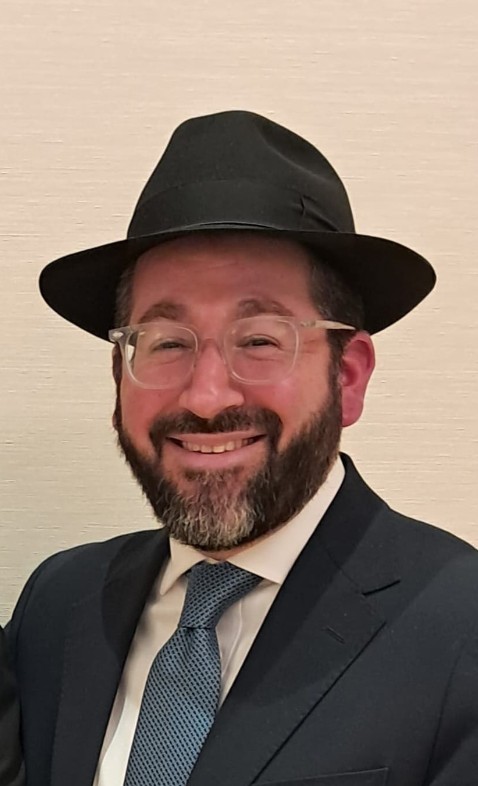
Rabbi Avrohom Sebrow is a rebbe at Yeshiva Ateres Shimon in Far Rockaway. In addition, Rabbi Sebrow leads a daf yomi chaburah at Eitz Chayim of Dogwood Park in West Hempstead, NY. He can be contacted at ASebrow@gmail.com.