Rabbi Avrohom Sebrow
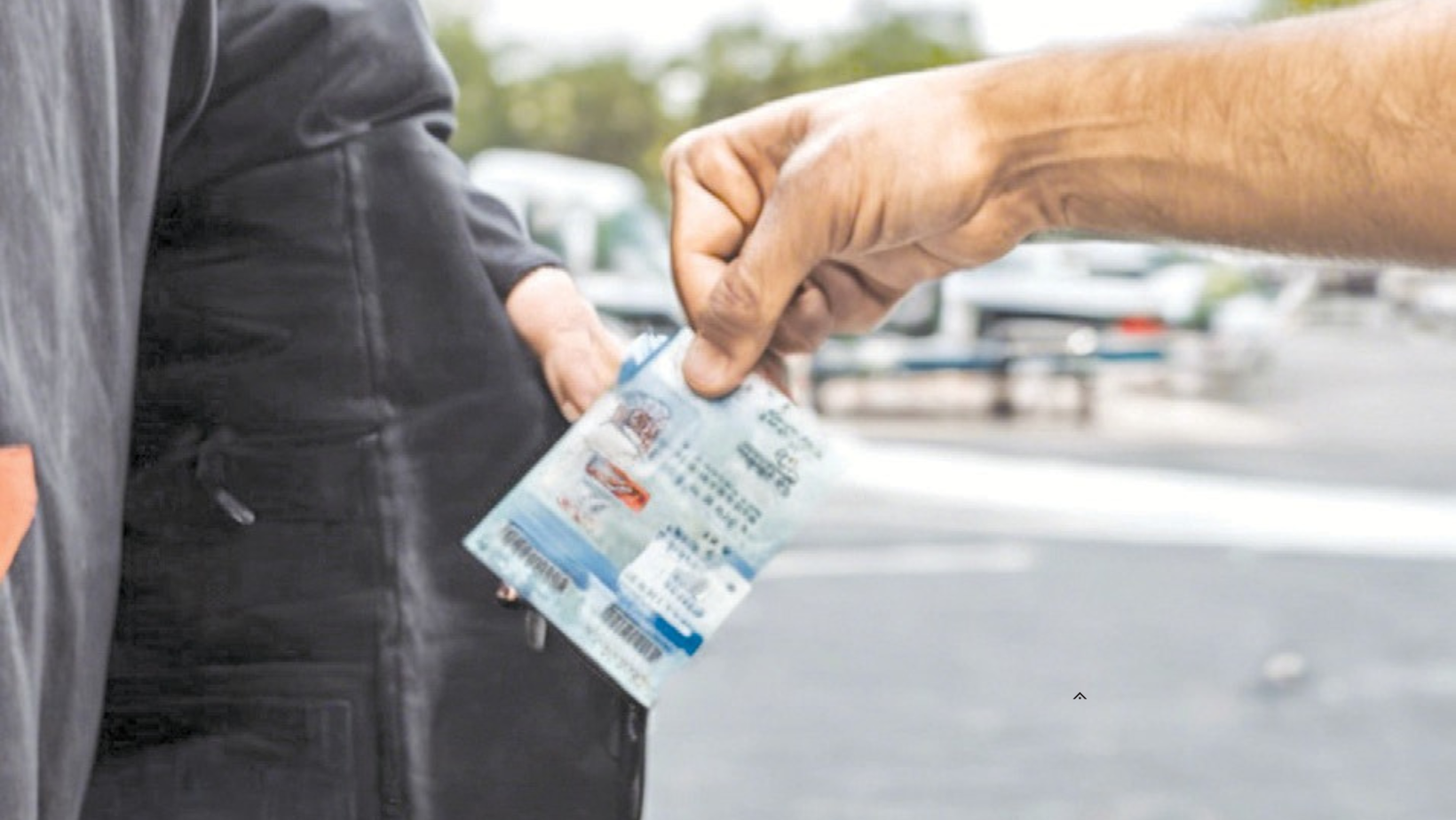
Boruch: Hi, Shimon. I believe this is yours. Shimon: My Superbowl ticket! Where was it? I was looking all over for it, and I missed the game! Boruch: I felt that it wasn’t appropriate for someone of your stature to attend the game, so I took it. Shimon: Wow! I really appreciate that you looked out for my ruchniyus, but please pay me $14,500 for the worthless ticket you stole from me and are now returning. Boruch: Wait a minute! The face value of the ticket is $4,500. Where does $14,500 come from? Shimon: That was the resale value of the ticket at the time you stole it from me. The Mishnah in Bava Kama says that the value of restitution is determined at the time of the theft. It is irrelevant what I paid for it or even if it was a gift. Shimon: But why do I have to pay anything? I returned the ticket! Boruch: Let’s say you stole a vase and cracked it. Can you return the worthless pieces and claim that’s restitution?! Certainly not. Here, too, this ticket is worthless. It’s like a broken vase. Shimon: Not so fast. The Mishnah discusses a case where someone stole chometz before Pesach and returned it after Pesach. It is forbidden to derive benefit from the chometz because it was in a Jew’s possession over Pesach. Yet, the Mishnah says that the thief can return the worthless chometz, and it’s considered valid restitution! Since he is returning the same physical item he stole, we don’t look at its value. I am returning the exact ticket I stole. Its value is immaterial! Boruch: You have a point. But the Gemara discusses a situation where someone stole coins, and subsequently, the government declared that those coins are no longer legal tender.
According to your logic, the thief should be able to return those very same coins that are now worthless. Yet, Rav Yehuda says he may not! Rashi explains it’s because someone can merely glance at the coins and know they are worthless. This is very different from chometz that was owned by a Jew over Pesach. There, the chometz looks exactly the same as currently edible food. No one can tell just by looking at it that it was owned over Pesach. The coins, on the other hand, are noticeably worthless, therefore, the thief must pay the value that the coins had when he stole them. He may not return the worthless coins. So, too, everyone can tell by looking at my Superbowl ticket that it is now worthless. You must pay me the value it had when you stole it. Shimon: You make an excellent point. As I recall, though, Rav Huna disagrees in precisely your case and says the thief may return the worthless coins. The fact that an observer can glance at them and see they are worthless is of no consequence. According to Rav Huna, I may return the Superbowl ticket even if it is noticeably worthless since it is physically the exact item I stole. Boruch: But the Shulchan Aruch paskens like Rav Yehuda! Shimon: Nice try! The Rema paskens like Rav Huna! (And you are Ashkenazi!) Boruch: Still, you deprived me of the use of my Superbowl ticket. Putting the theft aside, you are liable for damages for not allowing me to use my ticket! The Baal Hamaor is of the opinion that a thief can be held liable for damages as well as thievery. Shimon: Very sharp! Yet, the Shita Mekubetzes, citing Rabbeinu Meir HaLevi, disagrees. Once the thief provides restitution, he can longer be held responsible for damages.
I am returning the worthless ticket to you and therefore am absolved from damages. Boruch: At least ask me for forgiveness. The Rambam holds that someone who damages someone else’s property does not have to ask for forgiveness after paying restitution. Yet, he rules that someone who steals someone else’s property must ask for forgiveness even after paying restitution! Shimon: I’m not sure that Rambam applies to me. One of the reasons that a thief must ask for forgiveness is because he stood to gain. I never intended to use the ticket or sell it. I was merely hiding it from you! Boruch: That’s exactly what I wanted you to say! You admit that you are not a thief! You are merely a damager. You never intended to acquire the tickets for yourself. Therefore, I can hold you liable for the damages you caused by not allowing me to use my ticket. Shimon: Hmm. But still, isn’t that merely indirect damage? Rashi says that putting an item in a river where one must hire a diver to retrieve it is merely indirect damage. Beis Din will not force someone to pay for indirect damages. Similarly, I merely put the ticket in a location where you couldn’t use it. That is indirect damage. Boruch: But the Raavad concludes that is only Rava’s opinion. As a matter of practical halacha, we can make the damager pay for indirect damage. Shimon: Now I know you are just kidding with me. Everyone knows that Beis Din will not make a person pay for gerama, indirect damage. Boruch: But this is garmi, a more severe form of indirect damage. Shimon: Isn’t gerama and garmi the same thing? Boruch: Rashi says it is. But most Rishonim disagree. Beis Din will force a person to pay for garmi, more severe indirect damage, in certain situations. Shimon: Does anyone say not allowing someone to use a Superbowl ticket is an example of garmi? Boruch: See the Pischei Teshuva 363:1 who discusses a similar case. He suggests that not allowing someone to use his esrog over Sukkos may fall under this category. Shimon: Hmm. It says there, “Tzarich iyun,” that it needs more study. If you get a clear ruling that I have to pay, I will.
Rabbi Avrohom Sebrow is a rebbe at Yeshiva Ateres Shimon in Far Rockaway. In addition, Rabbi Sebrow leads a daf yomi chaburah at Eitz Chayim of Dogwood Park in West Hempstead, NY. He can be contacted at ASebrow@ gmail.com