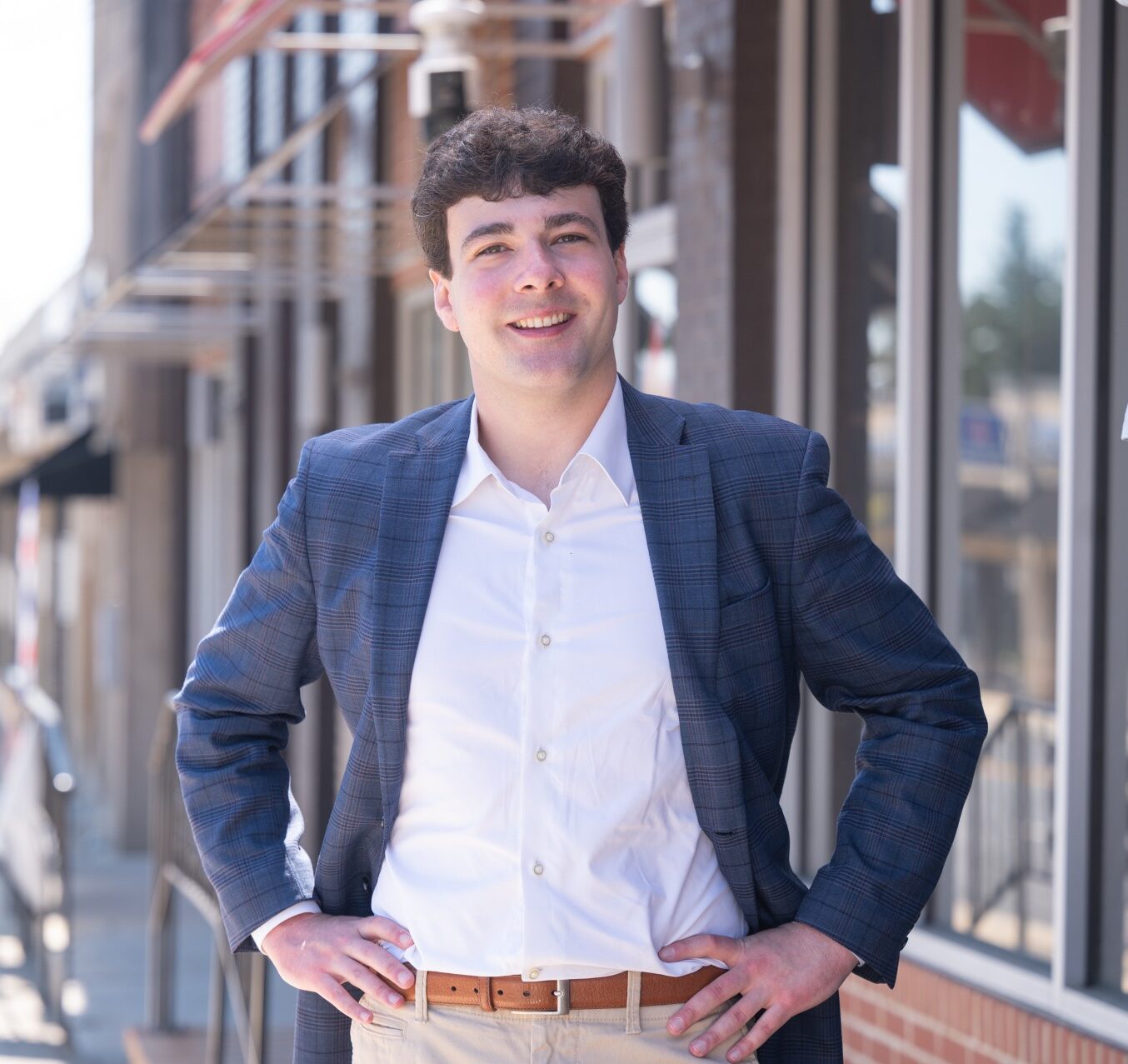
BJH: Let’s be real here. Why are you running for Baltimore County Council, and why did you want to speak directly to BJH readership?
Karson Kamenetz: I’m running because the next Councilmember in this district is going to make decisions that directly affect whether observant families can continue to build their lives here.
People often talk about county issues like zoning, roads, housing, school transportation, sidewalks, and public safety like they are separate issues. They aren’t. For a frum family, they are all connected to daily life. Can your children get to school safely? Can you walk to your shul safely on Shabbos and Yom Tov? Can the young adults in your family afford to live near their parents and shul? Can your business open without feeling like the county is working against it? When there is a problem, does someone in county government pick up the phone?
Unfortunately, and because the answers to those questions are too often “no,” Baltimore County is losing population. More people are leaving this beautiful place we call home than are moving into it, and that means we all will pay more in tax dollars for less in return. The observant community is also the outlier in this equation: this community is growing, and Baltimore County should embrace that growth with open arms, not fight against it. I’m running because I want to be a councilmember who understands this and treats our community and these issues with the seriousness they deserve.
BJH: What are the biggest practical issues that you will focus on, if elected?
KK: Public safety has to come first. The basic promise of government is people feeling safe in their homes, in their neighborhoods, and walking to shul. I refuse to allow reckless driving, theft, break-ins, and quality of life crime to be brushed aside. Baltimore County must take enforcement seriously while simultaneously ensuring neighborhoods have the lighting, road design, and pedestrian safety measures necessary. Right now, Baltimore County is short almost 300 police officers, and we feel that reality every single day. So I will fight to close that recruitment gap, support traffic calming, and ensure we have the public infrastructure that keeps people safe and economic corridors lively.
Second is housing. This community is growing, and that is a sign of strength. But when our children get married and cannot find a place to live near their families, shuls, and schools, we are forcing the next generation to move elsewhere. Growth has to be responsible, and “no growth” is not a serious answer. I look forward to enabling the growth of our community through the Comprehensive Zoning process.
Third is constituent services. A lot of what the community needs from their councilmember is not ideological. It’s practical. A dangerous intersection; a trash-pickup delay; a permitting problem; a school-related transportation issue; a business owner stuck in bureaucracy. Those things matter, and they demand timely follow-through. When elected, I’ll create a Constituent Dashboard tracking all service requests, have regular neighborhood “walkthroughs” so issues are discussed in-person as opposed to behind a desk, and I’ll hire staff from our community to ensure we are all represented adequately.
BJH: What is your message specifically to the observant community?
KK: My message is that I see the observant community as one of Baltimore County’s great strengths.
This is a resilient community built around family, education, chesed, responsibility, and commitment to the next generation. Those are all values that make this place, this county we all call home, stronger.
But those values come with tangible needs, as well. Families need to feel safe walking their block. Schools need to function without constant transportation and infrastructure challenges. Shuls and community institutions need a county government that understands and appreciates their role. Young couples need housing if they are going to stay near parents, school, and shuls. Older adults need the aging-in-place infrastructure that allows them to stay in the communities they helped build.
I want to be a partner to the community, and not just as someone who shows up during campaign season. From touring schools and shuls to participating in Menorah lightings and shabbos dinners, I am proud to be a Jew in Baltimore County. I am committed to being someone who listens, follows through, and is reachable when it matters for the community that has given me so much.
BJH: What is your closing message to BJH readers?
KK: I want to earn your trust by being useful.
The observant community does not need empty praise. It needs a councilmember who understands the realities of life in Baltimore County and someone who will take those realities seriously.
My focus is on the basics. Safe streets; walkable neighborhoods; fair treatment for those paying property tax and sending their children to private schools without return on that tax investment; respect for shuls, businesses, and community institutions; a county government that returns your call.
That is my focus. Not the national scene or ideological politics, but the basics of county government. I want to work for you, because I feel called to service. I will show up, I will listen, and I will do the work. Hold me accountable to that.