BJH: Can you tell us a little about yourself and how you came to Baltimore?
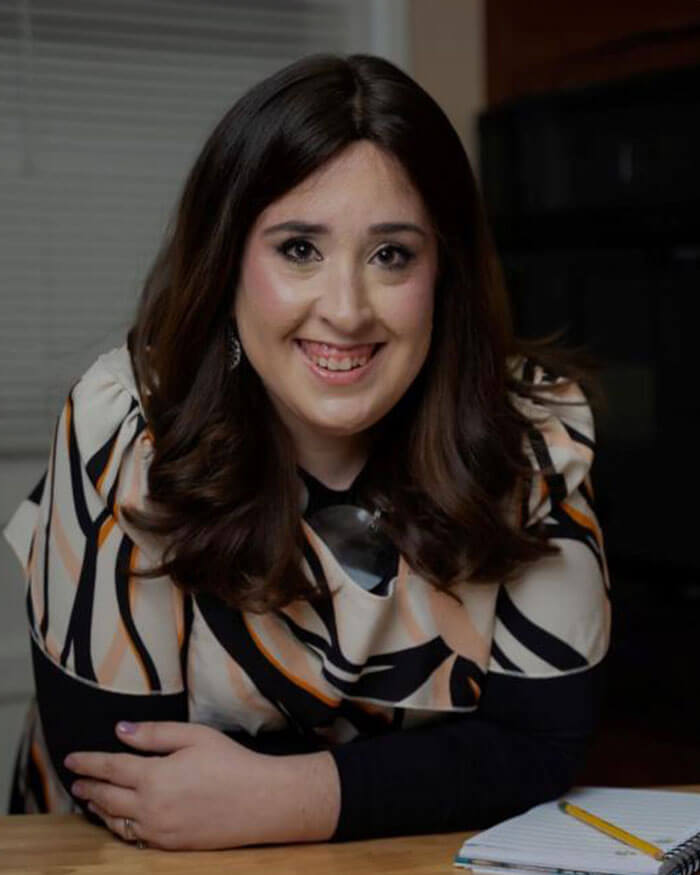
Zahava List: Absolutely. I’m originally from St. Louis, Missouri. After getting married, living in Israel and St. Louis with our 4 boys, we were looking for a community where we could put down roots, raise our children, and grow. Baltimore offered the warmth of an out-of-town feel along with the infrastructure our family needed. We’ve been living here for eight years and truly appreciate the connection and support this community provides.
BJH: You’re the founder of Chazkeinu. What inspired you to start the organization?
Zahava: Chazkeinu came from my own struggle. After having my first child in Israel, I experienced postpartum psychosis that later developed into bipolar disorder. My family and care team were incredibly supportive, but I didn’t have someone who could say, “I get it.” There was no space for Jewish women to discuss mental health openly. I had seen the strength of peer support through 12-step programs, and when I couldn’t find anything similar in the Jewish world, I decided to create it. In 2016, I reached out to two women, one from Rochester and one from Chicago, and together we launched our first phone support meeting. From those early days, Chazkeinu has grown into a global organization.
BJH: What is the mission of Chazkeinu?
Zahava: Our mission is simple and profound: No Jewish woman should ever have to face mental health challenges alone. We work to normalize the struggle, reduce stigma, and create a safe environment where women can support one another. It’s about building a community and sisterhood where people can be real, find strength, and grow with the help of others who truly understand.
BJH: Who can participate in Chazkeinu’s programs?
Zahava: We welcome Jewish women ages 18 and up. Married, single, divorced, widowed, across all backgrounds and levels of observance. Our members include women with a wide range of mental health diagnoses, as well as women who have not been formally diagnosed. We also support family members such as wives, mothers, and daughters. Our reach spans more than 100 cities, with active branches in Baltimore, Melbourne, London, Israel, Lakewood, Brooklyn, Montreal, and more.
BJH: What programs and services do you offer?
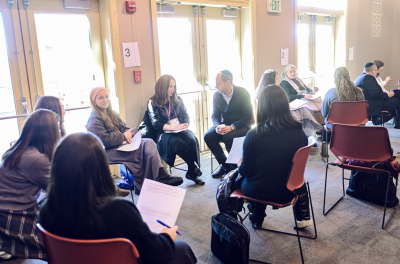
Zahava: It begins with four weekly virtual and phone support meetings where women can share, listen, and gain strength. We send a daily email filled with resources, uplifting writing, and artwork from our members—a real “hug in your inbox.” We offer a non-emergency support hotline staffed by licensed professionals, active group chats on WhatsApp and Slack, and in several cities, in-person “chill houses” that host workshops, activities, and a warm space to connect. And more! Our leadership includes two rabbinic advisors and four clinical directors to ensure our programming is both supportive and professionally grounded.
BJH: Can you share a story that highlights Chazkeinu’s impact?
Zahava: There are many. One woman came to us after her therapist felt she needed additional support. Traditional therapy wasn’t enough on its own. Through Chazkeinu, she found women who understood her experiences and, for the first time, felt hope. She recently told me, “I finally feel like I have a life worth living.” Another story is of a young woman who joined as an 18 year old and struggled with confidence while dating. With the support of the group, she found the courage to share her journey with her future husband. Today, she’s happily married and living with pride and strength.
BJH: How important are volunteers to your organization?
Zahava: Volunteers are the heart of Chazkeinu. Most come to us as participants who want to give back once they are ready. It’s truly a model of “by the people, for the people.” The dedication and talent of our volunteer team continually inspire me.
BJH: How can the broader community help Chazkeinu grow?
Zahava: The first step is awareness. Speak openly about mental health, share resources, and encourage people to seek help without shame. Rabbanim and community leaders can make a real difference by addressing mental health in public settings. On a practical level, we’re launching a CauseMatch campaign from December 7–9 with a goal of raising $250,000. These funds will help us expand programs, reach more women, and continue breaking down stigma. Every contribution matters.
BJH: Any final message?
Zahava: To anyone struggling, please know you’re not alone. Chazkeinu is here, and support is available. My personal journey—from rock bottom to founding an international organization—should show that hope is real and healing is possible.
To donate to the Chazkeinu campaign please visit: https://causematch.com/Chazkeinu25.
To learn more about Chazkeinu, visit chazkeinu.org.