BJH: Tell us about your role at Menucha. What brought you into this work?
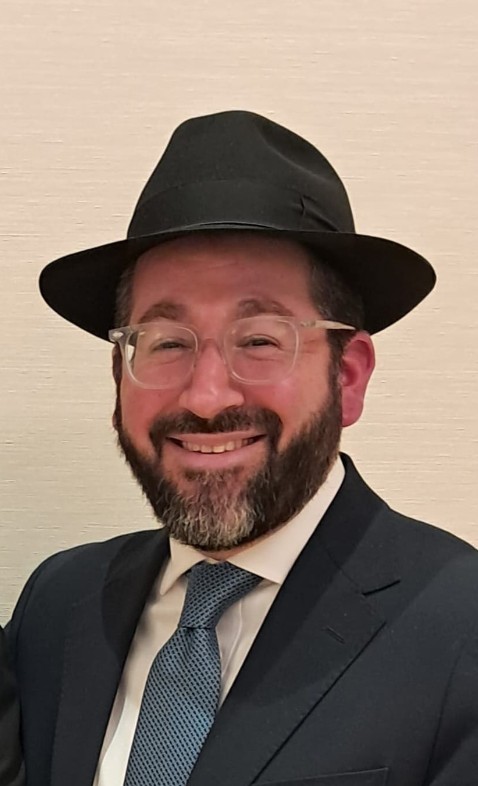
Rabbi Yaakov Wealcatch: When our son Eli began attending Menucha, we saw the invaluable impact the organization had on him and our family. That inspired me to get involved. I initially joined the board and currently have the privilege of serving as the Board President.
BJH: Menucha has become a central part of Baltimore’s special needs community. How did the organization begin?
RYW: Menucha was started by two dedicated parents, Mrs. Esther Ward and Mrs. Ellen Edinger, under the name WAITT – We Are All In This Together. They gathered together parents of children with special needs and began providing respite services, and support groups. The organization slowly grew to become what it is today – a source of true Menucha for families.
BJH: When you look back at the early days, what was the vision — and how has that vision evolved?
RYW: Menucha’s vision was, and continues to be, to provide respite and support to help families navigate the challenges associated with having a child with special needs. Baruch Hashem, our program has developed tremendously from the original 3 respite sessions and now has grown to include programming every day of the week, often with multiple concurrent sessions.
BJH: What services does Menucha offer?
RYW: Menucha offers respite programming for individuals of all ages. This includes weekend and after school respite programs, home-based Shabbos volunteers, boys’ learning and social programming, girls’ learning and social programming, and vacation camps such as a pre-Pesach camp. We also run a year round community-based day program for adults, and host fun yom tov events for our participants and their families. These regular programs are complemented by seasonal programming such as Yom Tov family and respite events, an annual Shabbaton, and family support programs.
BJH: What does a sample session at a Menucha program look like?
RYW: Menucha programs are distinguished by our amazing dedicated staff members and volunteers who create a safe, fun, and enriching environment. A typical session is structured around meaningful activities – whether it’s learning the parsha, creating art, playing sports, or enjoying a sensory activity – all while maintaining a high ratio of staff/volunteers to participants. The atmosphere is one of warmth, acceptance, and joy, giving parents true peace of mind.
BJH: How does Menucha support families beyond direct respite services?
RYW: We recognized early on that parents also need emotional and practical support. In addition to regular respite, we offer family programming, holiday events, and opportunities for parents to meet one another. There’s tremendous comfort in simply being around other families who understand the unique challenges — and the unique joys — of raising a child with special needs. Many parents tell us that Menucha has given them a second family, one that “gets it” without needing explanation.
BJH: What is the most common feedback you hear from a parent when their child has finished a Menucha program?
RYW: The feedback often falls into two categories. From the participants, we hear how much fun they had and how they look forward to the next session. From the parents, the gratitude is profound. They often express relief that they had a few hours to dedicate to their other children, run an errand, or simply rest.
BJH: Menucha seems to be doing amazing work. If resources were limitless, what expansion or initiative would you launch tomorrow?
RYW: Our most pressing dream is to establish a dedicated, permanent home for Menucha. This facility would allow us to significantly broaden our programming and expand our respite services. Whether they are caring for younger children or adult children, parents truly deserve regular, reliable time to step away and renew their energy, knowing their loved ones are thriving in a safe and enriching environment.
BJH: What message would you like to share with the Baltimore community?
RYW: I want people to know that they are part of this story. Menucha exists because families, volunteers, donors, and supporters choose to open their hearts. Every time someone volunteers, donates, or simply spreads the word, they become part of a network that brings joy, dignity, and menucha — real rest — to families who need it. My hope is that we continue building a community where every child and every adult not only has a place, but is celebrated.
BJH: Thank you for letting us know about the great work Menucha has been doing all these years! We wish you much hatzlacha as you continue to service the community with your vital work.