BJH: Let’s start with the purpose of this conversation. Why did you want this interview to appear now, and what are you hoping to accomplish?
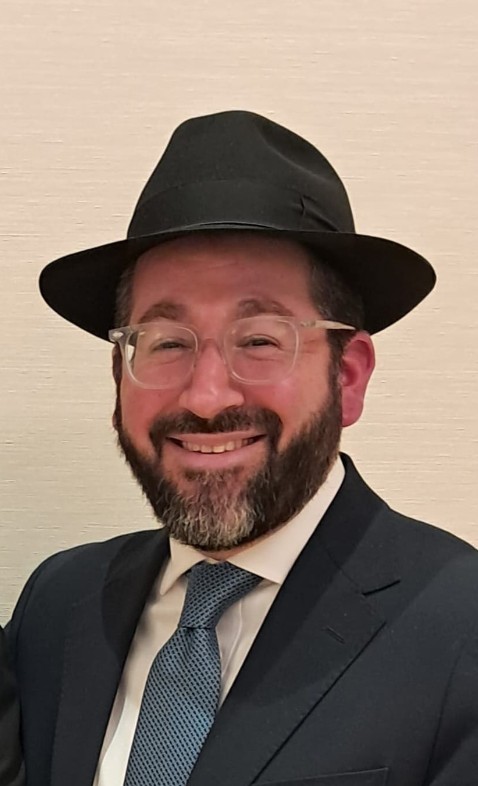
Rabbi Shaya Mintz: The goal is really twofold. Firstly, we want to alert the community to the new setup for our popular annual bike-a-thon. Secondly, we want to use that as an opportunity to give some background to Bikur Cholim of Baltimore. What’s happening day to day, how the organization has grown, and where we’re headed. The ride is a fundraiser, but it’s also a window into the incredible chesed taking place quietly all year long.
BJH: Let’s go back to the beginning. What’s your personal connection to Baltimore?
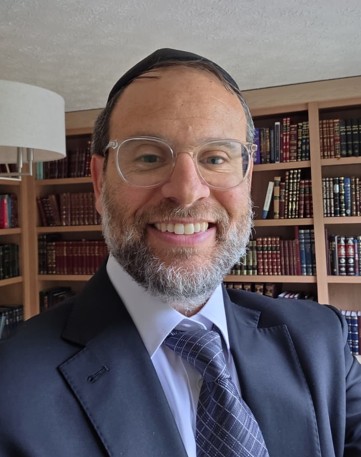
RSM: I grew up in Baltimore. I lived on Yeshiva Lane and I attended Torah Institute back when it was on Northern Parkway. I spent countless Shabbosos in the community, played in Yiddle League, went to camp with friends from the community, and built relationships that are still part of my life today. I continued on to Ner Yisroel, learned in the Mir, and then returned to Ner Yisroel again. Along the way, I developed a close connection with Harav Tzvi Berkowitz Shlita. After I got married, I spent time learning in Eretz Yisroel and became involved with Ner Le’Elef, where I received training in public speaking and community engagement. That experience helped shape everything that came next.
BJH: Your family has deep roots in Baltimore. Can you tell us about that?
RSM: Absolutely. My father, Harav Moshe Mintz Shlita, has been part of Ner Yisroel for over 70 years, dating back to the early 1950s. He’s truly part of the fabric of the yeshiva. My mother, Mrs. Helene Mintz A’H, was a beloved teacher in Bais Yaakov elementary for over five decades. Even now, people stop me and ask if I’m her son, and they speak with such emotion about the impact she had on them. She was nifteres just a few months ago, and her legacy continues to be felt across the community. My wife also comes from strong Baltimore roots, so for us, returning here really feels like coming full circle.
BJH: How did that lead you into communal leadership?
RSM: After Ner Le’Elef, I moved to St. Louis to join a community kollel. My days were split between learning and working with baalei batim through shiurim and programs. Over time, I realized I had a passion for building community. I moved into programming, then administration, and eventually became Executive Director. After 12 years, I brought that experience to Toronto, where the scale was larger but the mission was the same. As my children got older and some settled back in Baltimore, the idea of returning home became more and more meaningful, both personally and professionally.
BJH: Let’s talk about Bikur Cholim of Baltimore. How did it begin, and what does it look like today?
RSM: Bikur Cholim was founded by Rebbetzin Chana Weinberg A’H and a group of dedicated women who recognized that as the community grew, so did the needs. What once could be handled by a neighbor bringing a meal now required a coordinated system. They built a network that visited hospitals, supported patients, and made sure no one felt alone. Over the years, that vision expanded significantly.
Today, Bikur Cholim provides a wide range of services. We have a medical equipment gemach, patient advocacy and referrals, rides to and from medical appointments, and hospital pantries stocked daily with kosher food. We maintain hospitality apartments for out-of-town families and coordinate a discreet home-cooked meal network for local families in need. Behind the scenes, dozens of volunteers ensure that help arrives quietly and respectfully.
BJH: It sounds like the scope has grown tremendously. How do you sustain something like this?
RSM: It’s a combination of careful management and community support. We’ve gone through detailed audits, reviewed expenses line by line, and worked to ensure that every dollar is used responsibly. At the same time, the needs continue to grow, and we have to grow with them. That’s why fundraising events like the bike ride are so important. They allow us to maintain and expand these services while also bringing more people into the mission.
BJH: That brings us to the bike ride. What’s new this year?
RSM: This year, we’ve reimagined the entire event. It’s now called “Tour de Kindness,” and the goal is to broaden participation beyond the immediate neighborhood. We want riders from across the region to feel connected to this cause. We’re also introducing a two-day format.
The first day is Tour de Kindness Junior, a father-and-son ride focused on safety, connection, and outdoor activity. It’s about seven miles and creates an opportunity for meaningful, screen-free time together. The second day is the main ride, with 50- and 100-mile routes. These riders take on a major fundraising role and train together leading up to the event. This year, we’re also creating a more unified finish, where riders can celebrate together with a special appreciation event.
BJH: What kind of impact do you hope this new format will have?
RSM: We’re hoping it builds a stronger sense of connection. Not just among the riders, but across the community. When people participate, they’re not just supporting Bikur Cholim. They’re becoming part of something bigger. They’re joining a movement of chesed that touches lives every single day.
BJH: How will families and children experience this around town?
RSM: We’re introducing a weekly sticker hunt tied to the event. Kids will be able to find special Tour de Kindness stickers around the community and place them on their bikes or helmets. It creates excitement, builds awareness, and helps even the youngest members of the community feel like they’re part of the mission.
BJH: If someone wants to get involved, what should they do?
RSM: The easiest way is to register online, where you can see the different ride options and join a team. Beyond that, we encourage people to spread the word, support riders, and learn more about what Bikur Cholim does. Every person who gets involved strengthens the impact we’re able to have. At the end of the day, this is about bringing the community together toward one goal, increasing kindness in a very real and tangible way.